
How often does a septic tank need cleaning?
The 3 to 5 year window is a range, not a guess. Tank size and household size drive the math: a small tank serving a big family fills faster than a large tank serving two people. If you are building or converting a rural property near Littlerock or Sun Village, both about 11 miles from central Palmdale, get the tank sized to the household before you set a pumping schedule, not after, and loop in septic tank warning signs so you know what to watch for once the system is in. Grease and solids matter too. A grease interceptor, for comparison, gets pumped once fats, oils, grease and solids reach 25 percent of the liquid depth, which is a different trigger than a residential tank's age-based schedule. If your property runs a commercial kitchen alongside the septic system, ask about grease trap pumping on its own cycle, and if the kitchen sits on a job site that also needs sanitation, look at construction site services for the rest of the setup. For general septic questions, our septic pumping service page is the place to start, and septic tank cleaning covers what the crew actually does once they're on site.
What raises or lowers the pumping frequency?
Household size is the biggest lever. A family of six generates more solids per month than a couple, full stop. Garbage disposals push the interval shorter because they add solids the tank has to settle out, similar to how a busy portable toilet rental on a job site fills faster with a bigger crew. Laundry habits matter less than people think, but back-to-back loads on a small tank do add up. Soil type under the leach field affects how forgiving the system is if you push past the recommended window. None of this is unique to Palmdale, but the desert clay common in parts of the Antelope Valley drains slower than sandy soil, which is one more reason not to guess, and it's worth a look at porta potty rental in Palmdale if your project needs sanitation while the septic question gets sorted. If you notice slow drains, gurgling, or standing water near the tank, don't wait for the calendar. Check septic tank warning signs and get it looked at. Waiting past the warning signs is how a routine pumping job turns into a backup, and backups cost more to fix than a scheduled visit ever does, which is why emergency septic service exists for the days the calendar didn't cover.
Why does tank size change the schedule?
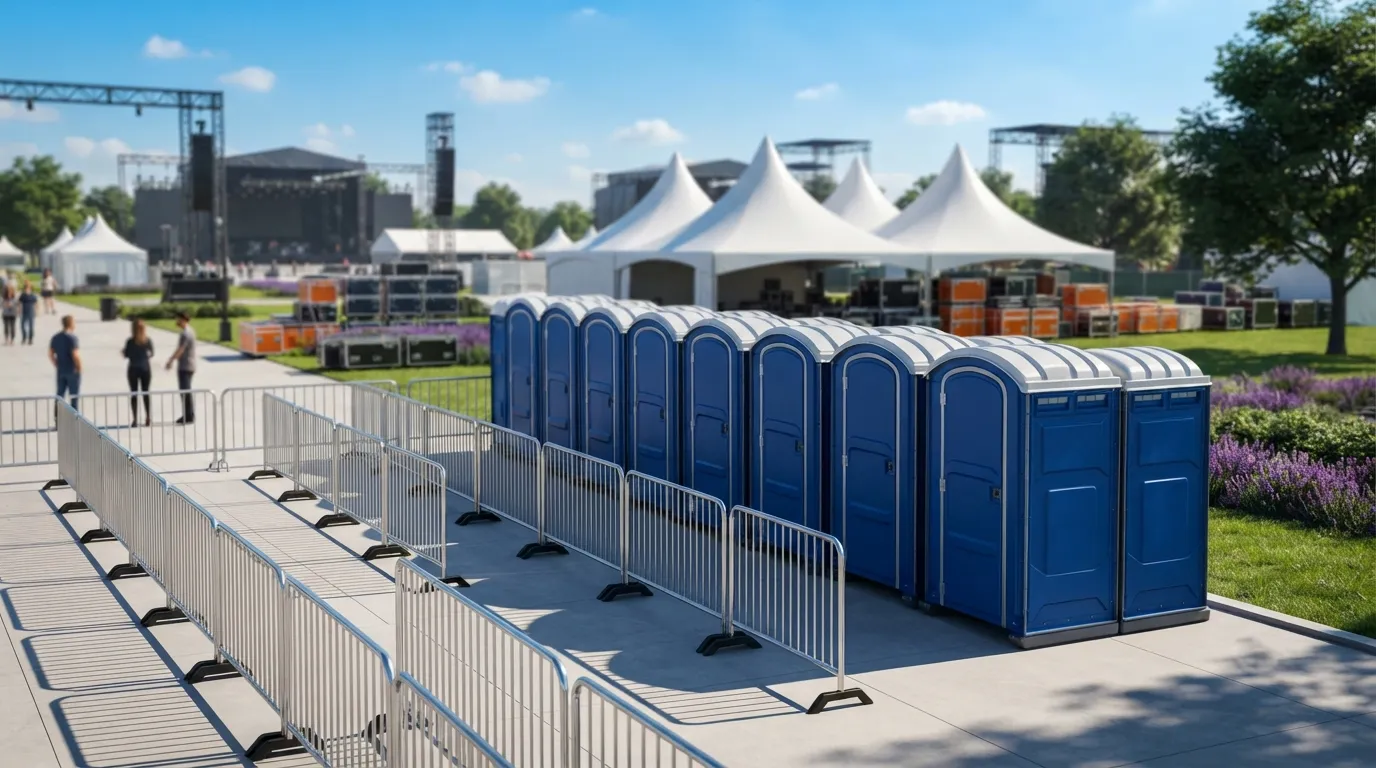
A 1,000 gallon tank and a 1,500 gallon tank do not fill at the same rate, even with the same household. Bigger tanks buy you more time between visits, all else equal. That is why "every 3 to 5 years" is a range and not a fixed number. If you don't know your tank size, that's the first thing a technician checks, the same way a crew sizing a standard porta potty rental starts with headcount before quoting anything. Palmdale Porta Pros crews also handle holding tank rental for properties without a permanent septic system, which runs on a completely different schedule tied to usage volume rather than years. Construction sites, events, and temporary setups fall into that category, and if you're staging a project near Acton, about 12 miles southwest of Palmdale, a holding tank might make more sense than trying to tie into an existing septic line, especially if the same site also needs a temporary fence rental or a roll-off dumpster rental for debris. For ongoing sanitation on active job sites, pair it with construction site services and a portable toilet rental sized to your crew.
Is it cheaper to pump on schedule or wait for a problem?
Scheduled pumping costs less than emergency service almost every time. A routine visit runs in a predictable range, while an emergency call after a backup often costs more and comes with cleanup on top. Check septic tank pumping cost for the current numbers, keep emergency septic service bookmarked in case you need it anyway, and if you're comparing against porta potty budgets for the same project, porta potty rental cost breaks that down separately. Below is a rough sense of how service categories compare, using bands from the numbers we track.
| service type | typical timing | notes |
|---|---|---|
| septic pumping (day rate) | $150 to $300 | scheduled visit, standard tank |
| septic pumping (weekend) | $50 to $150 | add-on premium for weekend scheduling |
| holding tank rental | monthly | sized to usage, not tank age |
Skipping a scheduled pump doesn't save money long-term. It just moves the cost to a worse day.
Frequently Asked Questions
How do I know my tank's actual pumping schedule?
Start with tank size and household headcount, then check for warning signs like slow drains. A technician can confirm the interval on the first visit, the same way how many porta potties do I need walks through headcount for a rental instead of a tank. Households near Quartz Hill, about 10 miles northwest of Palmdale, follow the same 3 to 5 year guidance since the math doesn't change with location, only soil and tank size do.
Does a garbage disposal really change the schedule?
Yes. A disposal adds solids the tank has to break down and settle, which fills the tank faster than dishwashing alone. Homes that run a disposal daily often land closer to the 3 year end of the range instead of the 5 year end. It's a small habit with a real effect on scheduling.
Can I pump the tank myself to save money?
No. Septic pumping requires vacuum equipment and proper disposal, which isn't a DIY job. Palmdale Porta Pros handles the pumping, transport, and disposal in one visit, the same crew that handles septic pumping service calls and porta john rental drop-offs across town. Attempting it without the right equipment risks damage to the tank and the leach field, which costs far more to fix than a scheduled pump.
What happens during a typical pumping visit?
A technician locates the tank, opens the access point, and vacuums out the accumulated solids and liquid. Most residential visits take under an hour, quicker than scheduling a restroom trailer rental for a weekend event. See septic tank cleaning for the full walkthrough of what the crew checks along the way, including lids, baffles, and the leach field entry point.
Is there a difference between septic pumping and a holding tank service?
Yes. A septic tank treats and disperses wastewater on-site and gets pumped every few years. A holding tank stores everything with no treatment and needs pumping much more often, based on usage. If you're weighing options for a temporary setup, holding tank rental explains how that schedule works, and portable restroom rental covers the toilet side of the same job.

Next step
Get a delivery date
Tell us the address, the dates and the headcount. We size the order and confirm the route.