
How Many Porta Potties Do I Need for a Jobsite?
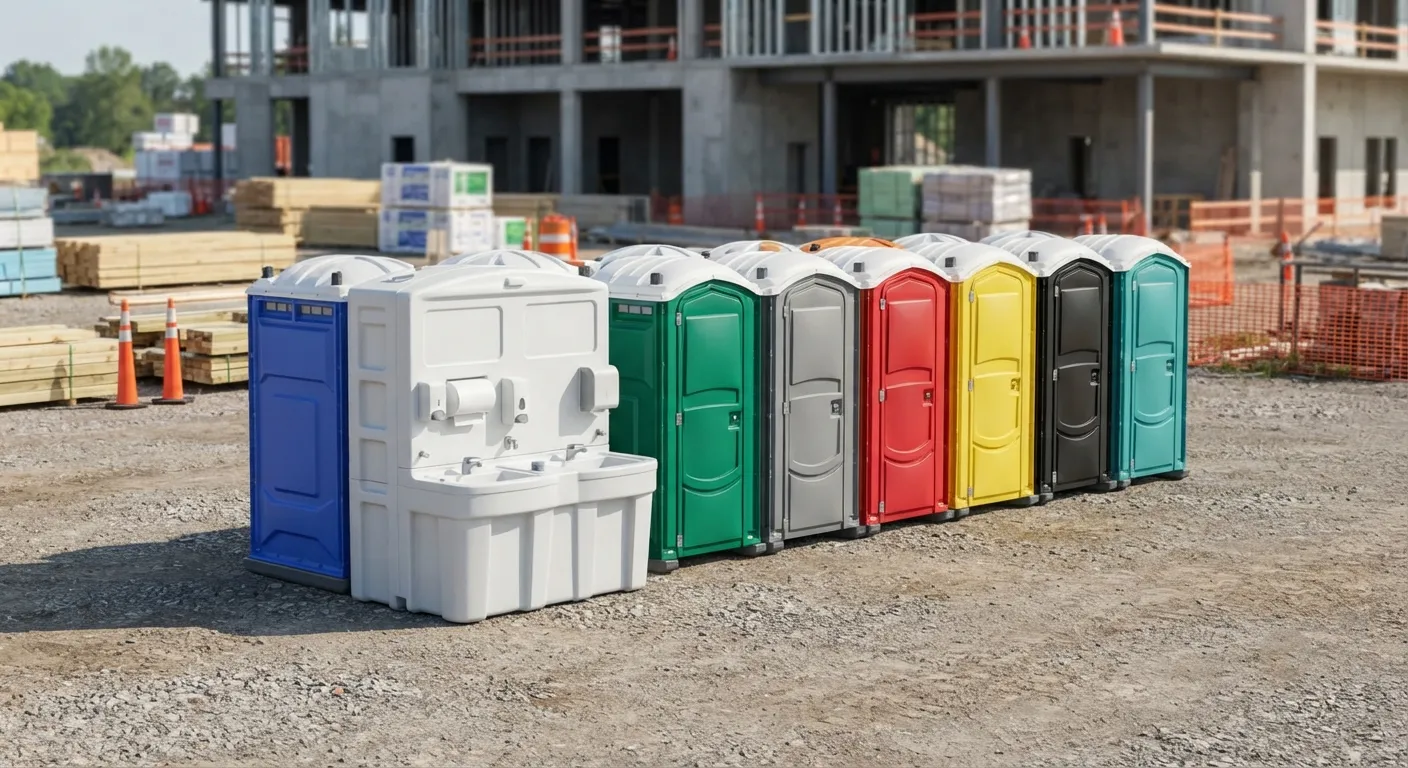
Start with the OSHA 1926.51(c) table. Crews of 20 or fewer need 1 toilet facility. From 20 to 199 workers, it is 1 toilet seat plus 1 urinal per 40 people. At 200 or more, that ratio drops to 1 seat and 1 urinal per 50 workers. A 35 person framing crew in Palmdale needs 2 units under that middle bracket. A 12 person crew working a home addition needs just 1. Duration matters too: a single unit can run standard porta potty rental pricing for a day or stretch into a monthly rental for a longer build. If the crew is spread across a large lot, check the porta potty placement guide before you set final unit count, since walking distance changes how many you actually need on a big site. For full ratio breakdowns by crew size, see OSHA portable toilet requirements.
How Many Porta Potties Do I Need for an Event?
| guests | event length | units needed |
|---|---|---|
| 50 | 4 hours | 1-2 |
| 100 | 4 hours | 2-3 |
| 250 | 4 hours | 4-6 |
| 500 | 4 hours | 8-10 |
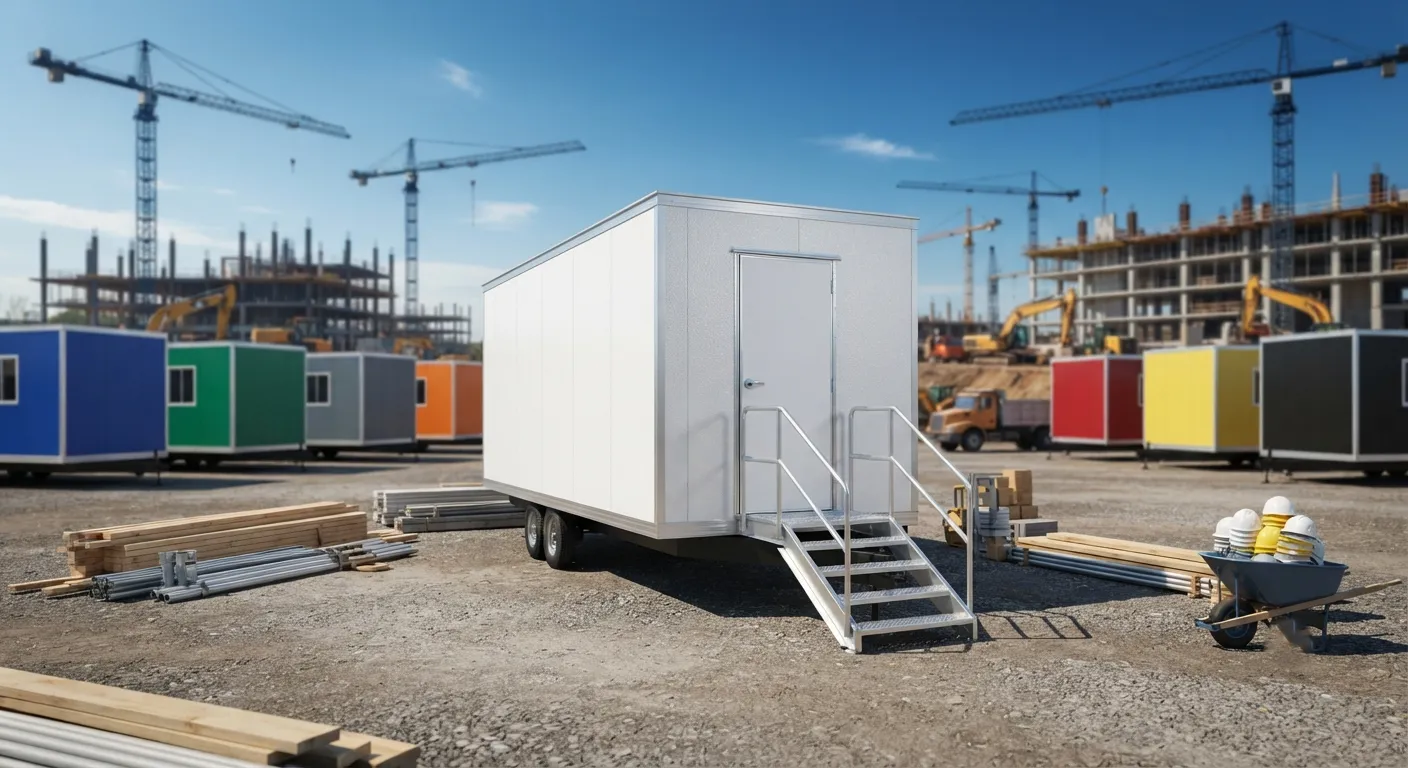
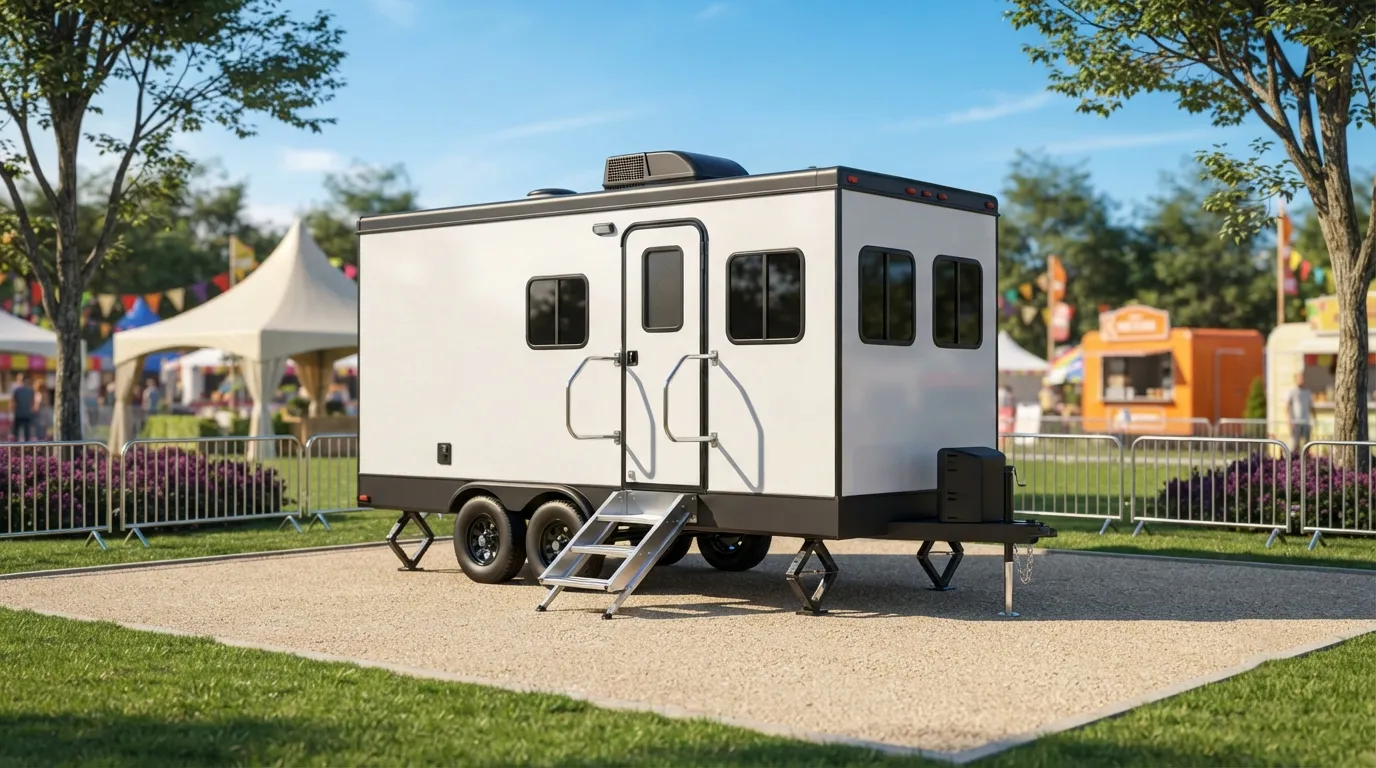
These are working ranges, not OSHA figures. Alcohol service pushes usage up, sometimes by half again, because people drink more and stay longer. A wedding at 150 guests over 6 hours in Palmdale should plan for the higher end of that band, and pairing standard units with at least one ADA accessible porta potty covers ADA Standards section 213.2, which requires at least 5 percent of clustered units to be accessible, never fewer than one. For a nicer guest experience, a deluxe flushable porta potty or a full restroom trailer rental handles the volume without the line. Multi-day festivals need servicing between days, not just more units; check event restroom rental for how that gets scheduled.
How Many Tons Does a 20 Yard Dumpster Hold?
A 20 yard dumpster typically holds somewhere in the 2 to 3 ton range depending on what is loaded, and it runs about 22 feet long on most chassis setups. That capacity works out to roughly 20 cubic yards of debris, which is about 540 cubic feet, making the common answer to how many cubic feet are in a 20 yard dumpster right around that number. As for how many feet is a 20 yard dumpster, most run close to 22 feet long, 8 feet wide and about 4 feet high. A kitchen remodel or a roof tear-off in Palmdale usually fits inside one 20 yarder without a second pull. Heavier loads like concrete or shingles fill the weight limit long before the box looks full, so check dumpster weight limits before loading anything dense. Full size specs live on dumpster sizes and dimensions, and pricing sits on 20 yard dumpster rental.
How Many Cubic Feet Are in a 10 Yard and a 40 Yard Dumpster?
A 10 yard dumpster holds about 270 cubic feet, answering how many cubic feet are in a 10 yard dumpster, and it runs roughly 14 feet long, making it the right call for a single room cleanout or a small yard job. A 40 yard box holds about 1,080 cubic feet, answering how many cubic feet are in a 40 yard dumpster, and it typically carries a 4 to 8 ton range depending on material density, answering how many tons a 40 yard dumpster holds, which makes it the choice for full home demolitions or large commercial strip-outs. Delivery for either size needs about 60 feet of straight clearance behind the truck, a spec worth confirming before the driver shows up on a narrow Palmdale street. Compare both against the 30 yard box, which lands in between, on dumpster sizes and dimensions. Size-specific pricing is on 10 yard dumpster rental and 40 yard dumpster rental.
How Many Tons Can a 30 Yard Dumpster Hold?
A 30 yard dumpster generally holds in the 3 to 5 ton range, answering how many tons a 30 yard dumpster holds, with a box length around 22 feet, similar footprint to the 20 yard unit but taller sides. That gives you around 810 cubic feet of volume, which suits construction debris, large renovations, or a full garage cleanout. Because tonnage caps out well before the box looks full on heavy material, it pays to ask what is going in before you commit to a size. What cannot go in a dumpster covers material restrictions that affect both weight and disposal fees. For permit questions on placing a roll-off in a driveway or street in Palmdale, dumpster permit requirements walks through what to confirm with the city before delivery. Full pricing sits on 30 yard dumpster rental and roll-off dumpster rental.
Should I Add Extra Units for a Multi-Day Event?
Yes, and the reason is simple: tanks fill up. A 60 to 70 gallon holding tank on a standard unit handles a set number of uses before it needs pumping, per the ANSI/PSAI Z4.3 service standard baseline of one visit per week for up to 10 users over a 40 hour stretch. A three-day festival in Palmdale concentrates far more use into far less time than that baseline assumes, so either add units or schedule a mid-event service call. Multi-day construction projects face the same math from the other direction: a crew running 1926.51(c) minimums for 10 hour days burns through tank capacity faster than an 8 hour shift would. Anyone unsure how servicing frequency changes with heavy use should read how often are porta potties cleaned. Emergency top-off service is available through emergency porta potty rental if a weekend event runs longer or heavier than planned.
What Does a Worked Example Look Like?
Take a 40 person crew building a subdivision home in Palmdale over six weeks. Under OSHA 1926.51(c), 40 workers sits right at the edge of the lowest multi-person bracket, so 2 units covers the ratio with some margin. A standard unit rents in the range covered on porta potty rental cost, and a six-week job is long enough that monthly porta potty rental pricing beats booking week to week. Now take a 300 guest outdoor wedding with a bar, running 5 hours, roughly 18.2 miles west of Palmdale near Elizabeth Lake. That headcount alone calls for 6 to 8 standard units under the event table above, and alcohol service plus one ADA unit pushes the realistic number closer to 8 or 9 total, including at least one ADA accessible porta potty to meet ADA Standards section 213.2. Both examples show why headcount, hours, and site distance from Palmdale's core all factor into the same math.
How many porta potties do I need for 50 guests?
For a 4 hour event, plan on 1 to 2 standard units for 50 guests, more if alcohol is served or the event runs longer. Add a hand wash station alongside for basic hygiene, since 29 CFR 1910.141(d)(2) requires soap and towels or a hand drying device, not sanitizer alone.
How many porta potties do I need for 100 workers?
Under OSHA 1926.51(c), 100 workers falls in the 20-to-199 bracket, requiring 1 toilet seat and 1 urinal per 40 workers, which works out to roughly 3 combined fixtures. Many Palmdale contractors round up to be safe on longer jobs.
Do porta potties need to be ADA accessible?
Where units are clustered, ADA Standards section 213.2 requires at least 5 percent to be accessible, and never fewer than one. That means even a small cluster of 3 or 4 standard units still needs one accessible unit on site.
How far apart should units be placed on a large site?
Placement should minimize walking distance and account for site access, ground stability under ADA Standards section 302.1, and clear delivery paths. The porta potty placement guide covers spacing for large lots and multi-acre sites around Palmdale.
How often do units need servicing during a long event?
The ANSI/PSAI Z4.3 baseline is one service visit per week for up to 10 users over 40 hours, which does not stretch far for a busy weekend event. Multi-day festivals typically need at least one mid-event service call.
What is the difference between event and jobsite toilet counts?
Jobsite counts follow OSHA 1926.51(c) ratios tied strictly to worker headcount. Event counts follow guest headcount and hours, with adjustments for alcohol service, and are not governed by the same OSHA table since attendees are not employees.
Next step
Get a delivery date
Tell us the address, the dates and the headcount. We size the order and confirm the route.